
Liver Cancer Treatment
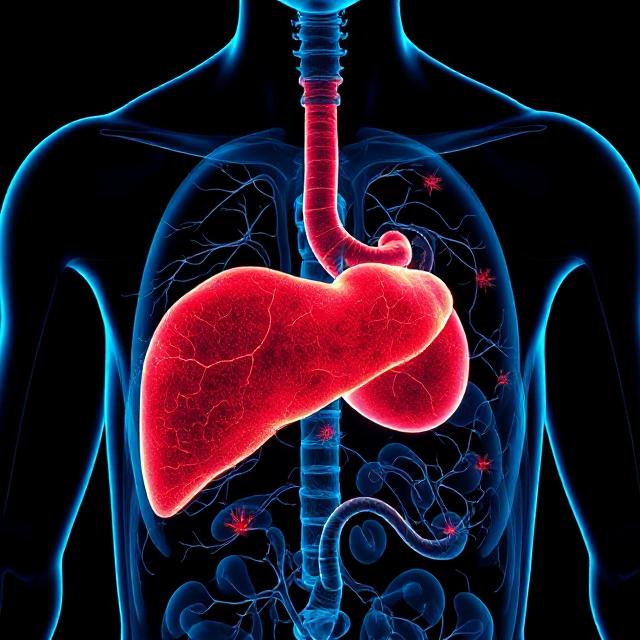
Liver Cancer
Liver cancer is a cancer that begins in the cells of the liver. The liver is a large organ located in the upper right portion of your abdomen, beneath your diaphragm and above your stomach. Several types of cancer can form in the liver. The most common type is hepatocellular carcinoma (HCC), which begins in the main type of liver cell (hepatocyte). Other types, such as cholangiocarcinoma (bile duct cancer) and hepatoblastoma (in children), are less common.
Cancer can also spread to the liver from other parts of the body; this is known as metastatic liver cancer.
Types of Liver Cancer
The main types of liver cancer include:
- Hepatocellular Carcinoma (HCC): The most common type of primary liver cancer, originating in the hepatocytes.
- Cholangiocarcinoma (Bile Duct Cancer): Can occur in the bile ducts inside or outside the liver.
- Hepatoblastoma: A rare cancer that develops in the liver of young children.
- Angiosarcoma and Hemangiosarcoma: Rare cancers that begin in the blood vessels of the liver.
- Metastatic Liver Cancer: Cancer that has spread to the liver from another primary site (e.g., colon, breast, lung).
Risk Factors
Several factors can increase the risk of developing liver cancer:
- Chronic Hepatitis B or C Infection: These viral infections can lead to cirrhosis and increase liver cancer risk.
- Cirrhosis: Scarring of the liver caused by various conditions, including chronic viral hepatitis and alcohol abuse.
- Heavy Alcohol Consumption: Long-term, excessive alcohol intake can damage the liver.
- Non-alcoholic Fatty Liver Disease (NAFLD): A condition associated with obesity and diabetes that can lead to inflammation and scarring of the liver.
- Hemochromatosis: A genetic disorder that causes the body to absorb too much iron, which can damage the liver.
- Primary Biliary Cholangitis (PBC): A chronic disease that damages the bile ducts in the liver.
- Exposure to Aflatoxins: Toxins produced by certain molds that can contaminate improperly stored grains and nuts.
- Anabolic Steroid Use: Long-term use of anabolic steroids may increase the risk.
- Diabetes: People with diabetes have a higher risk of liver cancer.
Symptoms
Symptoms of liver cancer often don't appear until the later stages, but may include:
- Unexplained weight loss
- Loss of appetite
- Upper abdominal pain or swelling
- Nausea and vomiting
- Fatigue and weakness
- Jaundice (yellowing of the skin and eyes)
- Dark urine
- Pale, chalky stools
- Swollen abdomen (ascites)
Diagnosis
Diagnosing liver cancer may involve several tests and procedures:
- Physical Exam and Medical History: Assessing risk factors and symptoms.
- Blood Tests: Liver function tests, tumor markers (e.g., alpha-fetoprotein - AFP).
- Imaging Tests: Ultrasound, CT scan, MRI, angiography.
- Biopsy: Removing a tissue sample for laboratory analysis. Different biopsy techniques may be used, such as needle biopsy or surgical biopsy.
Treatment
Treatment options for liver cancer depend on the type and stage of the cancer, the patient's overall health, and liver function. Common treatments include:
- Surgery:
- Liver Resection: Surgical removal of the tumor and a portion of healthy liver tissue.
- Liver Transplantation: Replacing the diseased liver with a healthy liver from a donor (for certain early-stage HCC).
- Local Ablation Therapies: Destroying the tumor without removing it, such as radiofrequency ablation (RFA), microwave ablation, cryoablation, and alcohol injection.
- Embolization Therapies: Blocking the blood supply to the tumor, such as transarterial chemoembolization (TACE) and transarterial radioembolization (TARE).
- Radiation Therapy: Using high-energy rays to kill cancer cells. External beam radiation and stereotactic body radiation therapy (SBRT) may be used.
- Chemotherapy: Using drugs to kill cancer cells, often used for advanced liver cancer or metastatic disease.
- Targeted Therapy: Drugs that target specific abnormalities in cancer cells. Examples include sorafenib and lenvatinib.
- Immunotherapy: Medications that help the body's immune system fight cancer. Examples include atezolizumab and bevacizumab.
- Palliative Care: To manage symptoms and improve quality of life.
Treatment plans are often developed by a multidisciplinary team of hepatologists, oncologists, surgeons, radiologists, and other specialists.
Dr. Sugandha Arya's Expertise
Dr. Sugandha Arya is a skilled surgical oncologist experienced in the surgical management of liver cancer. She is dedicated to providing comprehensive and advanced surgical care for patients with both primary and secondary liver tumors. Dr. Arya works closely with a multidisciplinary team at Accord Superspeciality Hospital to develop personalized treatment strategies, including liver resection when appropriate, to achieve the best possible outcomes for her patients.
Contact Information
Dr. Sugandha Arya - Leading Liver Cancer Treatment in Faridabad
Accord Superspeciality Hospital
Budena Village, Sector 86, Faridabad, Haryana 121002
Phone: 098686 32726