
Gastrointestinal (GI) Cancer Treatment
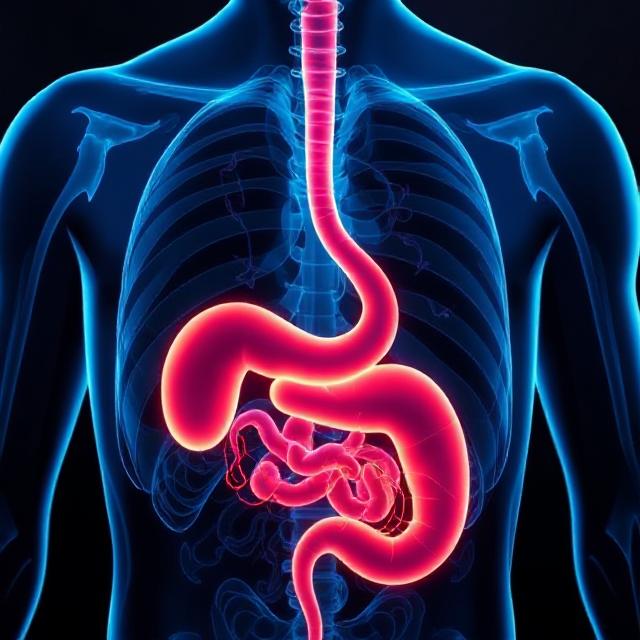
Gastrointestinal (GI) Cancer
Gastrointestinal (GI) cancer refers to cancers that affect the digestive tract, which includes the esophagus, stomach, small intestine, large intestine (colon), rectum, anus, liver, pancreas, and gallbladder. These cancers can have different characteristics, risk factors, symptoms, and treatment approaches depending on their location and type.
Types of Gastrointestinal Cancers
Some of the common types of gastrointestinal cancers include:
- Esophageal Cancer: Cancer that forms in the esophagus, the tube that carries food from the throat to the stomach.
- Stomach Cancer (Gastric Cancer): Cancer that begins in the stomach.
- Colorectal Cancer: Cancer that starts in the colon or rectum.
- Liver Cancer (Hepatocellular Carcinoma): Cancer that begins in the liver.
- Pancreatic Cancer: Cancer that starts in the pancreas, an organ behind the stomach that produces enzymes and hormones.
- Gallbladder Cancer: Cancer that forms in the gallbladder, a small organ under the liver that stores bile.
- Small Intestine Cancer: A rare cancer that begins in the small intestine.
- Anal Cancer: Cancer that forms in the anus, the opening at the end of the large intestine.
Risk Factors
Risk factors for GI cancers can vary depending on the specific type, but some general risk factors include:
- Age
- Family history of GI cancers
- Diet high in processed foods and low in fiber
- Obesity
- Smoking
- Excessive alcohol consumption
- Certain medical conditions (e.g., inflammatory bowel disease, chronic liver disease, diabetes)
- Infections (e.g., Helicobacter pylori for stomach cancer, hepatitis B and C for liver cancer)
Symptoms
Symptoms of GI cancers can be vague, especially in the early stages. They can vary depending on the location of the cancer but may include:
- Persistent abdominal pain or discomfort
- Changes in bowel habits (diarrhea, constipation)
- Unexplained weight loss
- Loss of appetite
- Nausea and vomiting
- Blood in the stool
- Fatigue
- Jaundice (yellowing of the skin and eyes)
- Difficulty swallowing
- Heartburn or indigestion that doesn't go away
- Feeling full quickly after eating
Diagnosis
Diagnosing GI cancers often involves a combination of methods:
- Physical Exam and Medical History: Assessment of symptoms and risk factors.
- Imaging Tests: Endoscopy (upper and lower), CT scans, MRI scans, PET scans, ultrasounds.
- Biopsy: Obtaining tissue samples for microscopic examination.
- Blood Tests: To check for tumor markers and overall health.
Treatment
Treatment for GI cancers is highly individualized and depends on the type and stage of the cancer, its location, and the patient's overall health. Common treatment modalities include:
- Surgery: Often the primary treatment to remove the tumor and surrounding tissue.
- Chemotherapy: Using drugs to kill cancer cells, often used before or after surgery, or for advanced cancers.
- Radiation Therapy: Using high-energy rays to destroy cancer cells.
- Targeted Therapy: Drugs that target specific molecules involved in cancer cell growth.
- Immunotherapy: Helping the body's immune system fight cancer.
- Ablation and Embolization: Localized treatments for certain liver and other GI cancers.
A multidisciplinary team of specialists, including surgeons, medical oncologists, radiation oncologists, gastroenterologists, and others, collaborates to develop the best treatment plan for each patient.
Dr. Sugandha Arya's Expertise
Dr. Sugandha Arya is a skilled surgical oncologist with significant expertise in the surgical management of various gastrointestinal cancers. She is dedicated to providing comprehensive and advanced surgical care, focusing on achieving the best possible outcomes for her patients. Dr. Arya works closely with a multidisciplinary team at Accord Superspeciality Hospital to offer personalized treatment strategies for individuals facing GI cancers.
Contact Information
Dr. Sugandha Arya - Expert in Gastrointestinal Cancer Treatment in Faridabad
Accord Superspeciality Hospital
Budena Village, Sector 86, Faridabad, Haryana 121002
Phone: 098686 32726