
Colon Cancer Treatment
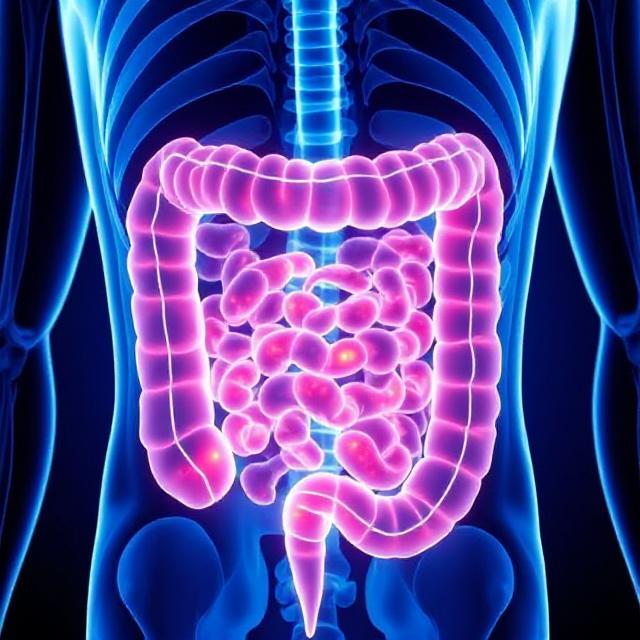
Colon Cancer
Colon cancer is a type of cancer that begins in the large intestine (colon). The colon is the final part of the digestive tract, responsible for processing waste from the body. Colon cancer is often grouped together with rectal cancer (cancer that begins in the rectum, the last several inches of the large intestine) and referred to as colorectal cancer.
Types of Colon Cancer
Most colon cancers are adenocarcinomas, which begin in the cells that make mucus and other fluids in the colon. Other, less common types include:
- Sarcomas: Start in the soft tissues of the colon, such as muscles or blood vessels.
- Lymphomas: Cancers of the immune system that can start in the colon.
- Carcinoids: Begin in hormone-producing cells in the colon.
- Melanomas: Can rarely start in the colon.
Risk Factors
Factors that may increase your risk of colon cancer include:
- Older Age: The risk of colon cancer increases significantly after age 50.
- A Personal or Family History of Colorectal Cancer or Polyps: Individuals with a history of colorectal cancer, adenomatous polyps, or inflammatory bowel disease are at higher risk.
- Inflammatory Bowel Diseases (IBD): Chronic inflammatory conditions of the colon, such as ulcerative colitis and Crohn's disease.
- Low-Fiber, High-Fat Diet: Diets high in red and processed meats and low in fruits, vegetables, and whole grains may increase risk.
- Sedentary Lifestyle: Lack of regular physical activity.
- Obesity: Being overweight or obese increases the risk.
- Smoking: Long-term smoking is associated with an increased risk.
- Heavy Alcohol Use: Excessive alcohol consumption may increase the risk.
- Genetic Syndromes: Inherited conditions such as familial adenomatous polyposis (FAP) and Lynch syndrome (hereditary nonpolyposis colorectal cancer - HNPCC) significantly increase the risk.
- Type 2 Diabetes: Individuals with type 2 diabetes may have an increased risk.
Symptoms
Symptoms of colon cancer may include:
- A persistent change in bowel habits, including diarrhea or constipation, or a change in the consistency of your stool.
- Rectal bleeding or blood in your stool.
- Persistent abdominal discomfort, such as cramps, gas, or pain.
- A feeling that your bowel doesn't empty completely.
- Unexplained weight loss.
- Fatigue or weakness.
Often, colon cancer may not cause symptoms in the early stages.
Diagnosis
Common diagnostic tests for colon cancer include:
- Colonoscopy: A long, flexible tube with a camera is inserted into the rectum to view the entire colon. Polyps can be removed and biopsies taken during this procedure.
- Sigmoidoscopy: Similar to colonoscopy, but only examines the lower portion of the colon (sigmoid colon) and rectum.
- Stool Tests: Such as fecal occult blood test (FOBT) and fecal immunochemical test (FIT), to check for blood in the stool. Stool DNA tests are also available.
- Barium Enema: X-rays of the colon and rectum after they've been filled with a barium-containing liquid.
- CT Colonography (Virtual Colonoscopy): Uses CT scans to create images of the colon.
- Biopsy: A tissue sample taken during colonoscopy or surgery is examined under a microscope to confirm the presence of cancer cells.
- Blood Tests: To check overall health and sometimes for tumor markers like carcinoembryonic antigen (CEA).
Treatment
Treatment for colon cancer depends on the stage of the cancer, your overall health, and other factors. Common treatment options include:
- Surgery: Often the primary treatment, involving the removal of the cancerous part of the colon and nearby lymph nodes. Minimally invasive techniques like laparoscopic surgery may be used.
- Chemotherapy: Using drugs to kill cancer cells. It may be given after surgery (adjuvant chemotherapy) to kill any remaining cancer cells, before surgery (neoadjuvant chemotherapy) to shrink the tumor, or as the main treatment for advanced cancer.
- Radiation Therapy: Using high-energy beams to destroy cancer cells. It is less commonly used for colon cancer than for rectal cancer but may be used in certain situations.
- Targeted Therapy: Drugs that target specific abnormalities in cancer cells. These are often used for advanced colon cancer.
- Immunotherapy: Medications that help your body's immune system fight cancer. It may be used for some advanced colon cancers with specific genetic mutations.
Treatment planning for colon cancer typically involves a multidisciplinary team of specialists, including colorectal surgeons, medical oncologists, radiation oncologists, and gastroenterologists.
Dr. Sugandha Arya's Expertise
Dr. Sugandha Arya is a skilled surgical oncologist with expertise in the surgical management of colon cancer. She is dedicated to providing comprehensive and advanced surgical care, utilizing the latest surgical techniques to achieve the best possible outcomes for her patients. Dr. Arya works closely with a multidisciplinary team at Accord Superspeciality Hospital to develop personalized treatment strategies for individuals with colon cancer.
Contact Information
Dr. Sugandha Arya - Leading Colon Cancer Treatment in Faridabad
Accord Superspeciality Hospital
Budena Village, Sector 86, Faridabad, Haryana 121002
Phone: 098686 32726